
Chloroalkanes
Chlorinated Paraffin
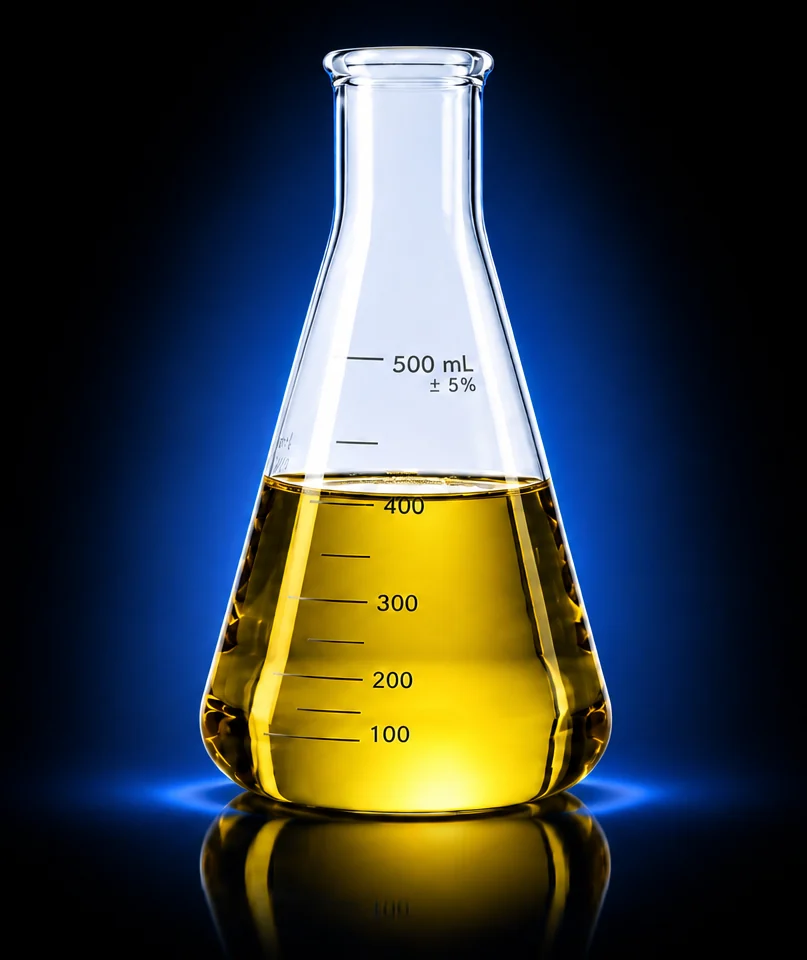
A colorless-to-yellowish liquid or solid mixture of chlorinated paraffin hydrocarbons, used as a secondary plasticizer in sectors such as PVC and synthetic rubber. Provides flame retardancy and extreme-pressure lubrication in cable sheathing, paints and metalworking fluids.
01
Product summary
A colorless-to-yellowish liquid or solid mixture of chlorinated paraffin hydrocarbons, used as a secondary plasticizer in sectors such as PVC and synthetic rubber. Provides flame retardancy and extreme-pressure lubrication in cable sheathing, paints and metalworking fluids.
- 63449-39-8
- CAS No.
- Liquid
- Form
- IBC
- Packaging
02
Production methods
-
01
Direct Chlorination
n-Paraffin hydrocarbons (typically in the C10-C30 chain-length range) are reacted directly with chlorine gas under UV light or a radical initiator; a portion of the hydrogen atoms along the chain is replaced by chlorine.
-
02
Controlling the Degree of Chlorination
Reaction time and temperature are controlled to set the chlorine content by weight (typically 30-70%); as the chlorine content increases, the product’s density and flame resistance increase.
-
03
Purification and Neutralization
Hydrochloric acid gas released during the reaction is removed, and the product is neutralized and treated with stabilizing additives to reach its final form.
03
Function & properties
-
Secondary plasticizer
Imparts flexibility to polymers such as PVC and can partially replace primary plasticizers like phthalates and phosphate esters.
-
Flame retardancy
Adds non-flammability to the product; used as a flame-retardant agent in cable sheathing.
-
Extreme-pressure additive
Releases hydrochloric acid at high temperature and reacts with the metal surface; functions as an extreme-pressure (EP) additive in metalworking fluids.
-
Variable chlorination degree
The chlorine content by weight generally ranges from 30% to 70% in industrial use; as the ratio rises, viscosity and density increase.
-
Improves chemical and water resistance
When added to paints, coatings and sealants, it improves resistance to water and chemicals.
-
Polar structure
Its polar properties also make it useful as a lubricant for leather and similar raw materials.
04
Applications
- Used in rubber production
- It is used as a non-flammable plasticizer in PVC formulations,
- Used in the production of acrylic and vinyl paints
- Used to prevent burning in cable sheaths
- Used as a high pressure additive in lubricants
- Used as a working fluid in metal processing
- Chlorinated paraffins are used as secondary plasticizers for polyvinyl chloride (PVC) and can be partially replaced by primary plasticizers such as phthalates and phosphate esters.
- Chlorinated paraffins are also used as metallic processing fluids or metalworking lubricants or cutting oils, as well as extreme pressure additives due to their adhesive qualities, compatibility with oils and the ability to release hydrochloric acid at high temperatures.
- They are added to paints, coatings and sealants to improve resistance to water and chemicals, such as marine paints, industrial floor coatings, containers and coatings for swimming pools
- Chlorinated Paraffin can be used in additives in combination with chlorinated polyethylene or chlorinated rubber for the impregnation of textiles, in particular fireproof surface coating and natural fiber fabrics, and in combination with chlorinated polyethylene or chlorinated rubber for the soiling and waterproofing of synthetic fibers.
- Due to its polar properties, chlorinated paraffin is also used as lubricants for leather and similar raw materials.
- Due to full compatibility, low volatility, good stability and non-flammability, various types of Chlorine Paraffin are used as plasticizers in preparations of solvent and emulsion paints and varnishes.
- Adding Chlorinated Paraffin to paints or varnishes increases their hardness, gloss and resistance to acids and alkalis and improves the elasticity of the final product.
Full technical description
WHAT IS CHLORINE PARAFFIN?
Chlorine Paraffin is a versatile, colorless or yellowish liquid or solid. Chlorine Paraffin, which acts as a secondary plasticizer, is preferred in sectors such as PVC resin and synthetic rubber.
It is added to the production of cable sheaths as a flame retardant agent because it adds non-flammability to the product.
The degree of chlorination of chlorine paraffins, which are also preferred as working fluids in the metal processing industry, varies by weight.
In industry, chlorine paraffins with chlorination degrees between 30 and 70 are used.
Chlorine paraffin also acts as a component of PVC industrial hoses and products such as leather belts and cables.
Product Appearance : Liquid Formula (Formula): C10-13, C14-17, C>17
Packaging: IBC
05
Technical details
- CAS No
- 63449-39-8
- Form
- Liquid
- Ambalaj
- IBC
Frequently asked
Why is chlorinated paraffin added to PVC?
As a secondary plasticizer it adds flexibility to PVC and can replace part of the primary plasticizers, improving the cost-performance balance.
What does the degree of chlorination mean?
It refers to the chlorine content of the product by weight, generally ranging from 30% to 70% in industrial products; as the ratio rises, density and flame resistance increase.
Why is it used as a flame retardant?
The chlorine in its structure slows the flame during combustion, which is why it is added to products such as cable sheathing that require flame resistance.
How does it function in metalworking?
It releases hydrochloric acid at high temperature and reacts with the metal surface, forming a lubricating film under extreme pressure that reduces wear.
Does it come as a solid or a liquid?
Depending on its degree of chlorination and chain length, it can be a colorless or yellowish liquid or a solid.
Which sectors use it?
PVC and rubber production, cable sheathing, paints and varnishes, metalworking fluids, and textile impregnation are its main application areas.
Request
Request a quote
Tell us what you need. Our team will get back to you shortly.
Quote request for Chlorinated Paraffin
- CAS No.63449-39-8
- FormLiquid
- PackagingIBC
